


Relocating to a new country can be exciting, but for children, it often brings some emotional challenges, too. Here’s some practical advice for expat families to help kids adapt, thrive, and find their place in unfamiliar surroundings.
This educator essay written by Dr Cassandra Aasmundsen-Fry, Psy.D
Moving to a new country is like being a part of a grand adventure. It’s filled with the excitement of exploring a new place, discovering different cultures, and making new friends. However, for children, this transition could also bring a wave of emotions – from confusion and anxiety to excitement and joy. This article is designed to guide expat children and their parents to navigate these emotions and ease into their new surroundings, turning foreign into familiar.
IT’S DIFFERENT FOR CHILDREN: UNDERSTANDING THE LIFE OF AN EXPAT KID
An expat kid, or a third-culture kid, is a child who has spent a significant part of their developmental years outside their parents’ culture. These kids blend the culture of their birth country with that of their host country, often creating their own unique ‘third culture.’ As enriching as this experience can be, it’s not without challenges.
Living as an expat kid often means frequent moves, changing schools, saying goodbye to old friends, and having to make new ones. It can also mean grappling with a new language, unfamiliar customs, and feeling like an outsider. All these factors can make this journey quite daunting. However, with the right guidance, it can also be an enlightening and empowering experience, raising worldly, adaptable, and resilient children.
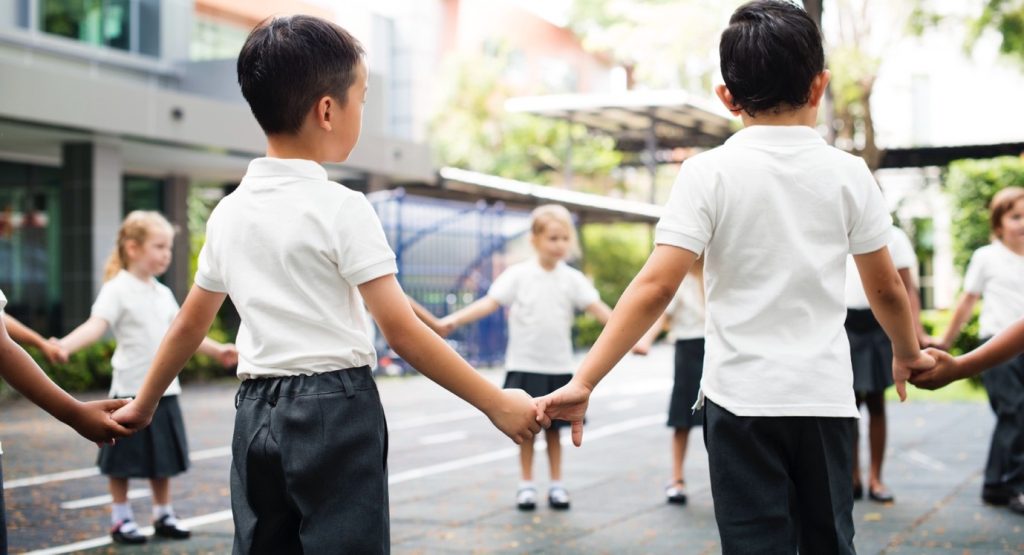
THE EMOTIONAL ROLLERCOASTER: ACKNOWLEDGING AND VALIDATING FEELINGS
Moving to a new country is an emotional whirlwind. Expat kids may feel myriad emotions – from the excitement of the upcoming adventure, sadness at leaving friends behind, and anxiety about the unknown to even feeling detached or confused.
Understanding the life of an expat kid and acknowledging the emotions that come with it are the first steps towards successful adaptation. Give your child space to express their worries, fears, and hopes openly and understand that children may not be able to identify or express how are they are feeling. Sometimes a child may act out behaviourally (i.e.; talking back, regressing in behaviours like potty training or independent sleeping, increases in aggressive behaviours) or voice physical symptoms like stomach or headaches. Look out for changes in socializing (acting more withdrawn) and your child’s attitude towards school and new friends. A child that is struggling while adjusting may refuse to go to school or be very reluctant to engage in new activities.
To help, encourage conversation and reassure them that it’s okay to feel mixed emotions, especially negative ones. Ensure you validate their feelings – do not dismiss them as trivial or phase-related. Instead, empathise with them and let them know it’s normal to feel overwhelmed during such transitions. Sometimes, it can be helpful to verbalize that everyone including yourself and the rest of your family also experience stress and have feelings of trepidation and nervousness around moving. Your child develops their model of identifying and processing their emotions from you.
There are also techniques you can use to help your child, such as use storytelling or art to help younger children express their emotions. For teens, keeping a journal can be therapeutic and allow them a way to process feelings which are more private. This is especially important for teens who may turn to social media connect with old and new friends and understand their new environment. While social media can be a blessing to stay connected with people around the world, teens can often view social media through a lens of feeling inferior or like they do not belong. It can give them a biased view of their own life through negative thought patterns and belief that lead to or worsen symptoms of anxiety and depression.

Maintaining a positive outlook and a sense of humour can go a long way in easing the emotional load while making sure not to dismiss or trivialize feelings. Try not to jump to offering solutions, but instead give your child space to work through the transition. Both offering solutions too quickly or trying to make light of situations (with the best intentions) can sometimes leave a child feeling more misunderstood and unimportant.
The following parts of this guide will provide practical tips on dealing with specific issues such as culture shock, adapting to a new school environment, and more.
OVERCOMING THE INEVITABLE CULTURE SHOCK
The initial disorientation and discomfort experienced when moving to a new culture is akin to plunging into a pool of cold water; it’s a shock to the system, hence the term ‘culture shock’. It can manifest as a yearning for home, frustration with unfamiliar customs, or even physical discomfort.
Fear not; this shock can be mitigated. Equip your child with knowledge about their new home before the move. Introduce them to the culture through books, movies, or culinary experiences, turning the unfamiliar into an exciting learning opportunity. At the end of this article, we will list books for children related to moving and facing transitions that are available locally.
Once you’ve landed in your new home, encourage participation in local events and traditions; immerse your child in their community by meeting neighbors, setting up social opportunities and exploring new places together. At the same time, establishing familiar routines amidst these new experiences can provide a comforting sense of structure and stability. Try to keep routines like bedtime and spending time together similar to what your children are used to initially, this is especially important for younger children who will have a more difficult time processing verbally.