

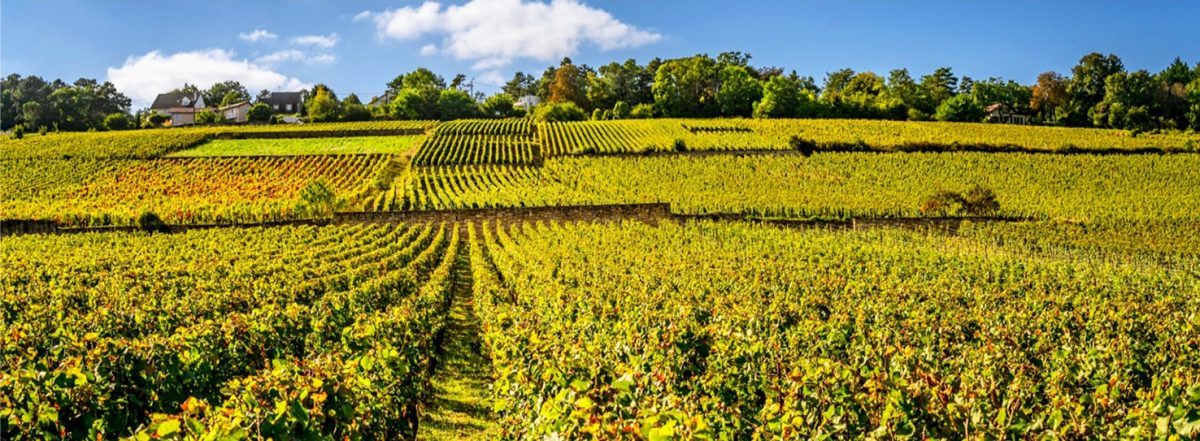
The wines of Burgundy, says acclaimed wine writer Oz Clarke, are the most sublime in the world. There are hundreds of wine estates, or domaines, as they are known in this part of France, dotting the countryside, just two hours by train to the southwest of Paris. Touring these estates is a wonderful way to appreciate the wines, the food, and the hospitality of the people who call this part of France home.
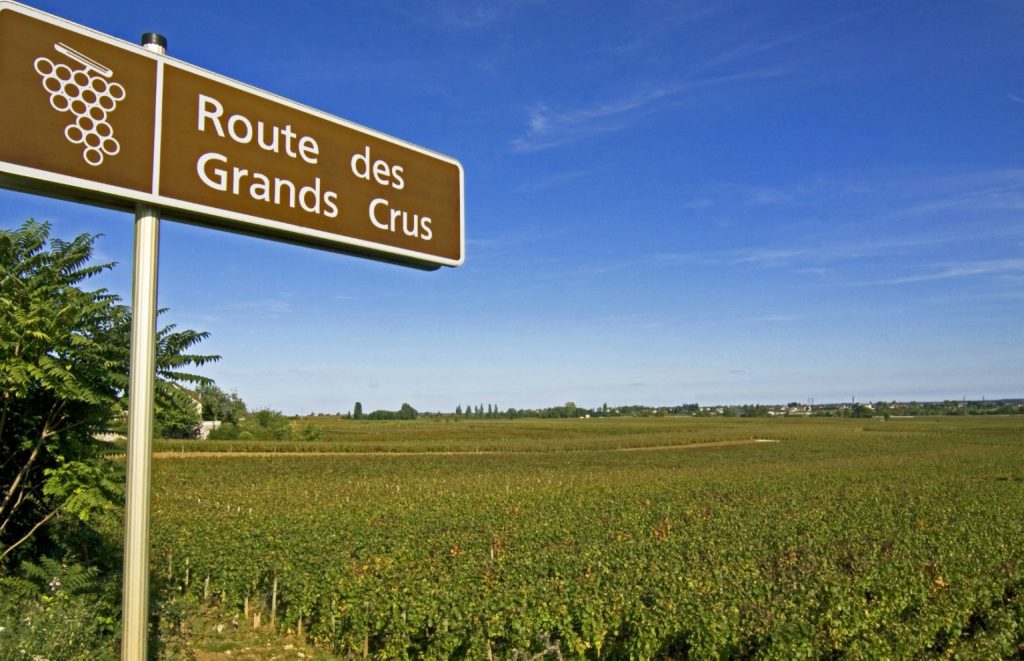
One of the most famous wine houses in Burgundy is Bouchard Père & Fils, and a recent tasting in Kuala Lumpur confirmed why the wines of Burgundy set a global benchmark, especially for wines made from Chardonnay and Pinot Noir grapes.
ALL THAT GLITTERS IS GOLD
The region’s most prestigious estates are in the Côte d’Or and include the famous villages of Puligny-Montrachet, Monthélie, Beaune, Meursault, Volnay, Aloxe-Corton, Pernand-Vergelesses, and Corton-Charlemagne. Bouchard Père & Fils, one of the most highly regarded wine houses, is based in Beaune.
Beaune is the region’s wine capital and is a popular tourist destination because of its medieval walls and the old buildings that the walls once protected. There are numerous heritage buildings like Hôtel-Dieu and Hospices de Beaune, and most feature distinctive tiled roofs.
A MAN OF THE CLOTH
During the first half of the 18th century, Michel Bouchard, a cloth merchant from the Dauphiné region in eastern France, regularly passed through Burgundy on his way to Flanders. Over the years, he grew fond of the Beaune region and its wines and decided to expand his business by entering the wine trade.
In 1731, Michel Bouchard relocated his family to Beaune, and in 1746, his son, Joseph, became his partner. In 1750, Michel transferred the entire business to his son. In 1775, Joseph acquired his first parcels in the Volnay 1er Cru climat of Les Caillerets and so began the family domaine.

In 1995, the Henriot family took the helm of Bouchard Père & Fils. From 1996, Joseph Henriot enriched the domaine through the acquisition of new, prestigious terroirs. In 2022, Bouchard Père & Fils joined with Artémis Domaines to continue the quest for making exceptional wines. Artémis is known for only the best, as they own luxury estates like Château Latour, Domaine d’Eugénie, Château Grillet, and Clos de Tart, which produce some of the world’s most expensive wines.
The domaine began transitioning to organic viticulture in 2009, and, beginning with the 2025 vintage, all wines will be fully organic.
EXCEPTIONAL WINES
Burgundy produces what connoisseurs consider to be the world’s finest Pinot Noirs and Chardonnays. However, very few get to appreciate them because the finest Burgundies are expensive and difficult to obtain. Of course, good vintage years push the prices even higher than other years.

Pinot Noir is one of the most difficult grapes to grow anywhere, but Bouchard has mastered the art of fine viticulture. Young Pinot Noirs are full of strawberry and raspberry flavours, but as they age, they mellow into wines dominated by chocolate and coffee flavours and aromas.
Burgundian Chardonnays are dry, but well-rounded, and show lemon, quince, and green apple on the palate, unlike the fruit and oak-driven Chardonnays produced in New World wine regions in years past. Burgundy’s finest Chardonnays are, however, matured in oak to impart subtle nutty and creamy characteristics.
BOURGOGNE TO GRAND CRUS
Appreciating Burgundy wines was never meant to be easy. Burgundy is a highly fragmented and complicated wine region with scores of classifications, or what the French call appellations. Inheritance regulations originating from the Napoleonic era create intricate challenges in property ownership, as assets are allocated equally among offspring. As a result, numerous people now own small plots of vines, known as climats. For example, Bouchard Père & Fils manages 111 plots, 43 domaines, and 77 climats. However, this division of ownership means that those who now look after their vines understand all there is to know about growing the best grapes for the specific location.
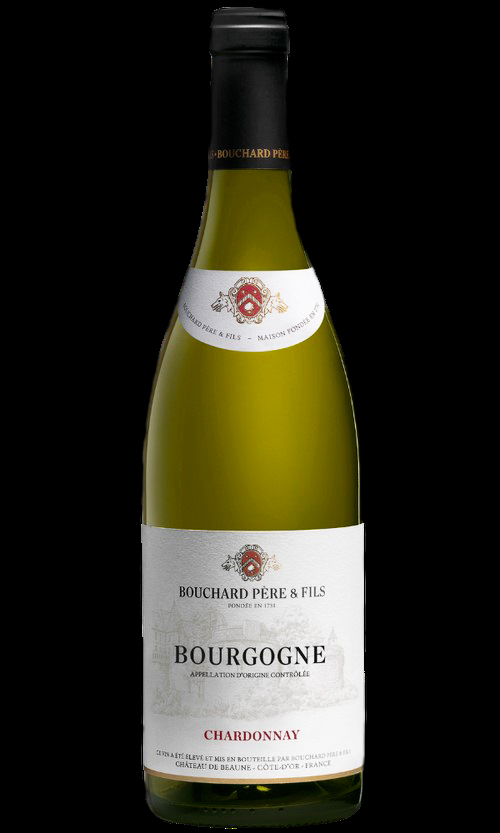
The simplest wines of Burgundy are labelled Bourgogne Blanc (Chardonnay) or Bourgogne Rouge (Pinot Noir), meaning white or red wine sourced from across the entire region, but not the best areas. The Bouchard Père & Fils Chardonnay 2021 was produced in a challenging season, as a harsh frost wiped out much of the crop. The wine was aged in 15% new oak, with the resultant wine showing distinctive aromas of lemon zest and green apple.
Wines simply labelled as Bourgogne are uncomplicated wines, and if this is as far as novice drinkers advance with Burgundian wines, they may be disappointed when they compare them to New World interpretations of the grape varieties.
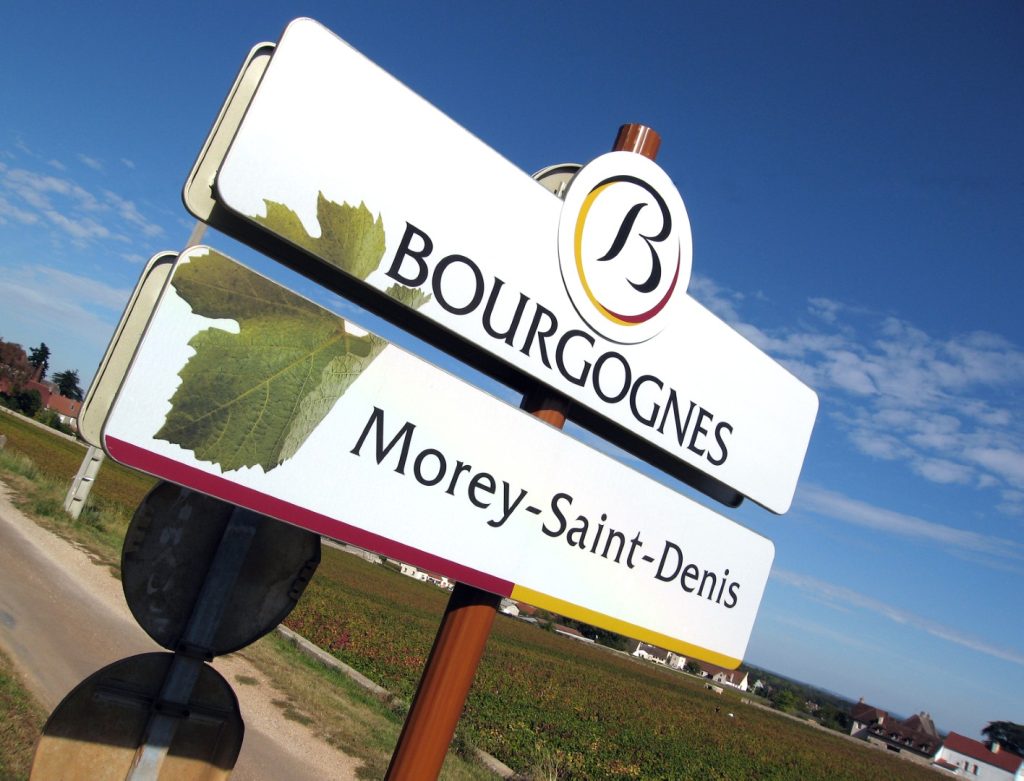
Advance one step higher to the blended villages wines, like Côte de Nuits (an area northeast of Dijon) and Côte de Beaune. Then there are hautes wines, which are similar to villages wines but are produced from grapes grown on higher and cooler slopes.
Wines from specific villages with Appellation d’Origine Contrôlée (AOC) status are superior because their grapes are cultivated in better sites with better soils. The classification continues with Premier Crus (First Growths) for second-best wines and Grand Crus (Great Growths) for the highest quality. They are also named after the vineyards from which they are grown.
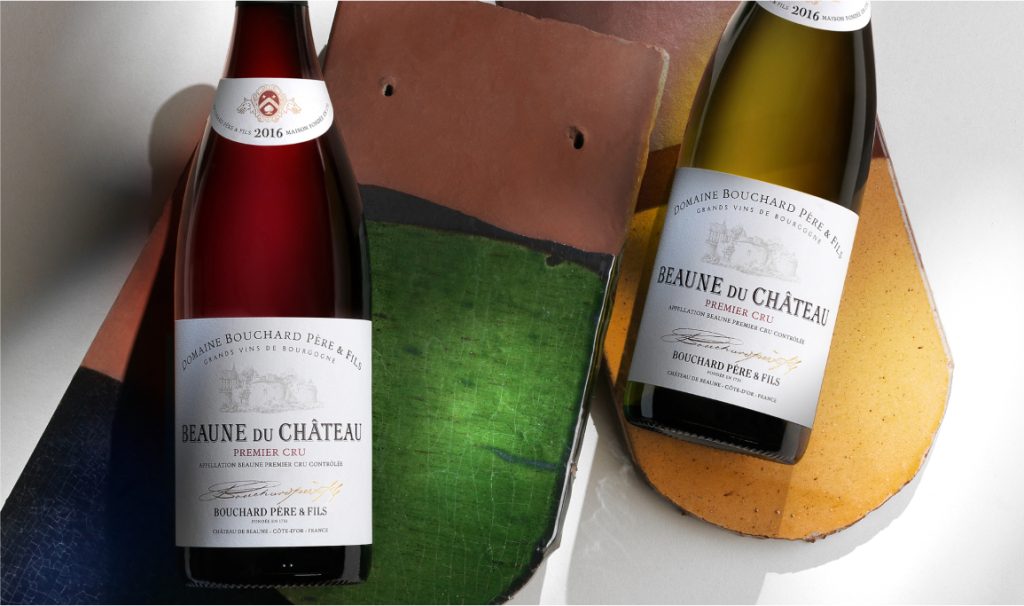
Some of the standout Bouchard Père & Fils Premier Crus are their Beaune du Château (red), Clos Saint-Landry Monopole (white), Beaune Clos de la Mousse (red), and Beaune Grèves Vigne de L’enfant Jesus (red). Moving on to the best of the best, seek out Bouchard Père & Fils Grand Cru wines such as Corton-Charlemagne (white) and Le Corton (red).
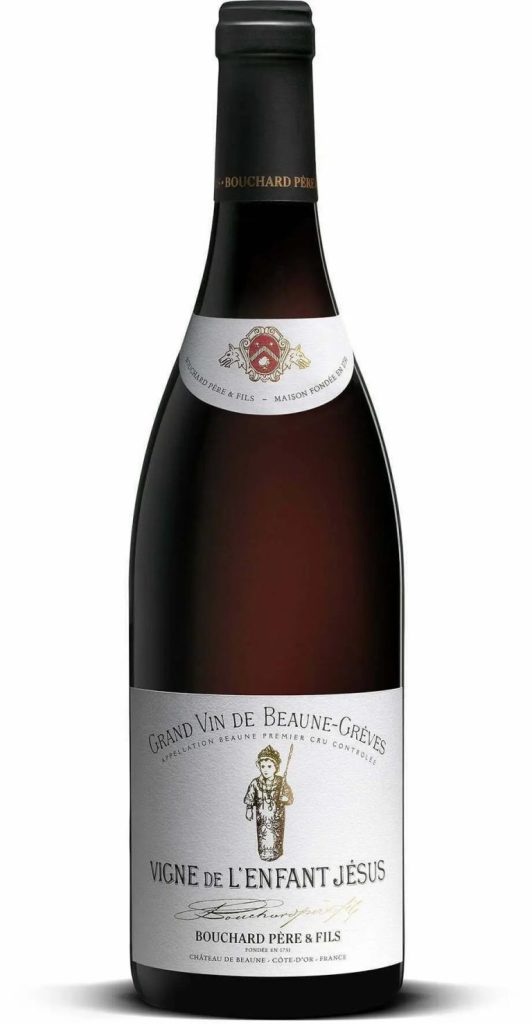
Like most wine styles, appreciating those from Burgundy can be a matter of personal taste. However, the red wines of Burgundy are well worth drinking, as they are lighter in style with low tannins, and considered by most wine connoisseurs to be amongst the world’s finest wines. These wines are well-suited to drinking in the tropics because they are not as heavy as wines produced from most other grape varieties.
TASTING TOUR
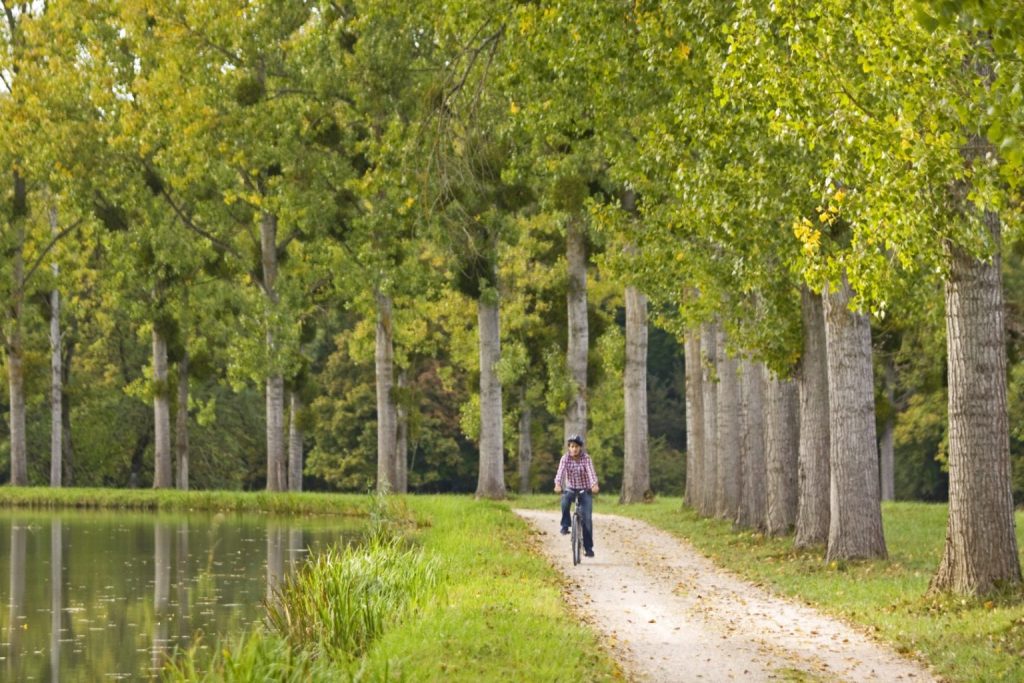
These wines are all available in Malaysia, and while savouring them here is always a privilege, sampling them in their home region is far better. Burgundy is a popular destination for wine tourism, especially for those who enjoy cycling or boating along tree-lined canals. The best-known wine trail in Burgundy is along the Côte-d’Or, a 50-km stretch of land that extends from the region’s gateway city of Dijon in the north to Chagny in the south.
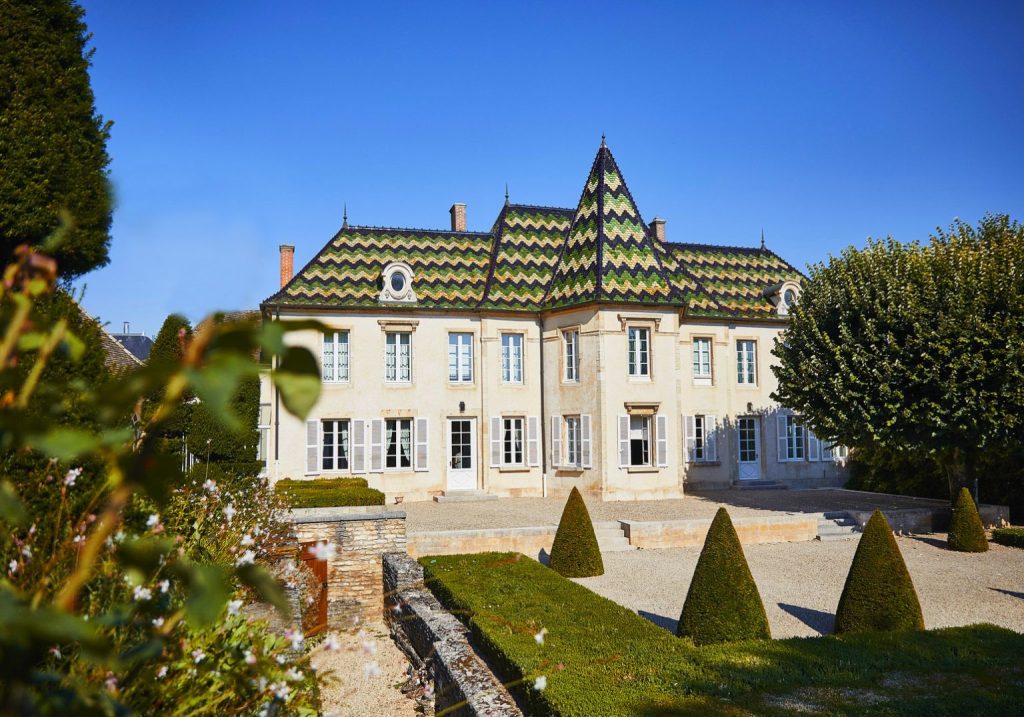
Dijon is an excellent place to start, with its historic centre best explored on foot. In the 15th century, Dijon flourished as an artistic centre under Burgundy’s Valois Dukes. The tourism authorities have created a well-signposted ‘Owl Trail’ with footpath markers for guidance. The trail includes Jardin Darcy (Darcy Garden), Les Halles (Central Market), the 13th-century Notre-Dame Cathedral and Hôtel de Vogüé, one of the city’s best examples of 17th-century townhouses. A common sight in Dijon and the rest of Burgundy is the multi-coloured tiled roof tiles on most historic buildings. The yellow, black and green patterned tiles are one of the most identifiable features of Burgundian architecture.
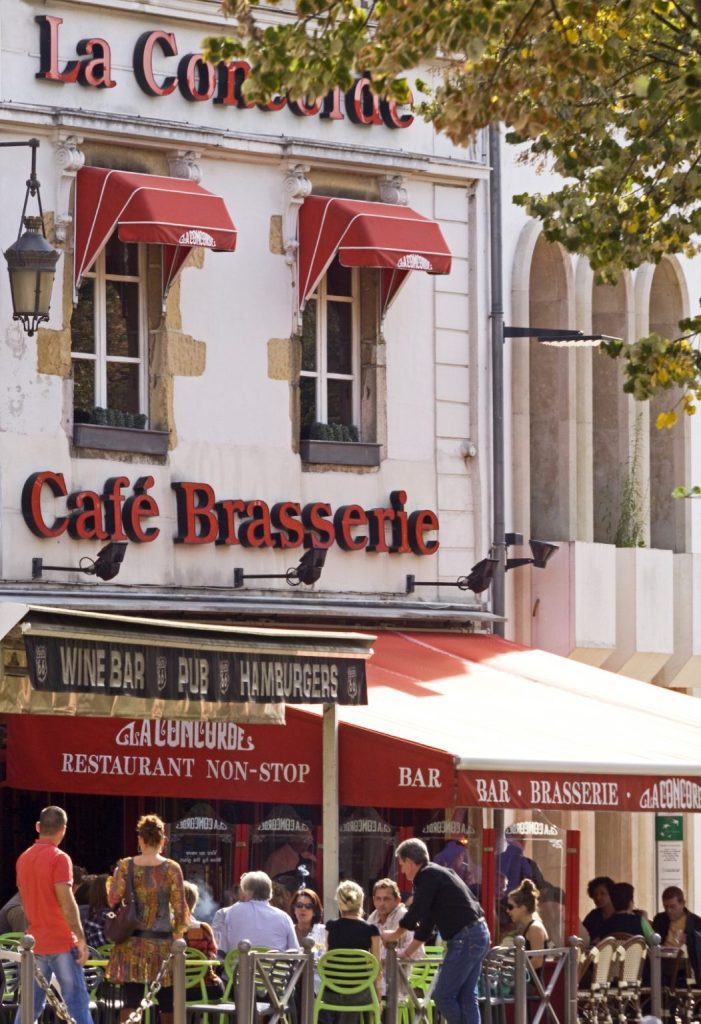
One of the most attractive and historic city squares is that of Place François Rude near Les Halles. Visitors could mistake the square for one in an old English town, as it is lined with Tudor-style (half-timber) buildings. During warmer months, the cafés surrounding the square are packed with people enjoying outdoor dining. Coffee and cakes are popular, but so are traditional dishes of the region like boeuf Bourgogne, and there is always one of several popular mustard styles as an accompaniment to most dishes. Dijon is the world’s mustard capital, with various styles available, including the cassis-flavoured mustard with its distinctive purple colour.
Some other local delicacies to enjoy with the region’s wines include le truffle (boiled potatoes mashed with cheese then fried as potato pancakes), oeufs en meurette (poached eggs in red wine), rigodon (baked ham and egg custard), and jambon persillé (ham and veal in wine, onions, cloves and herbs served in its cold jelly). Meursault is the largest village in Côte d’Or and is known for its affordable white wines and a delicious snail soup, soupe d’escargots au Meursault.
Fortunately, Dijon is quite flat and suitable for those who like to combine exercise and sightseeing. Cycling tours through Burgundy’s vineyards and villages are also popular, as are multi-day boating trips along famous canals such as Canal du Bourgogne.