

Indonesia’s plan to simplify the rupiah by chopping three zeros off the currency is more than cosmetic. Done properly, it could modernize payments, boost confidence, and strengthen ASEAN’s largest economy — but only if the government wins the battle for public trust.
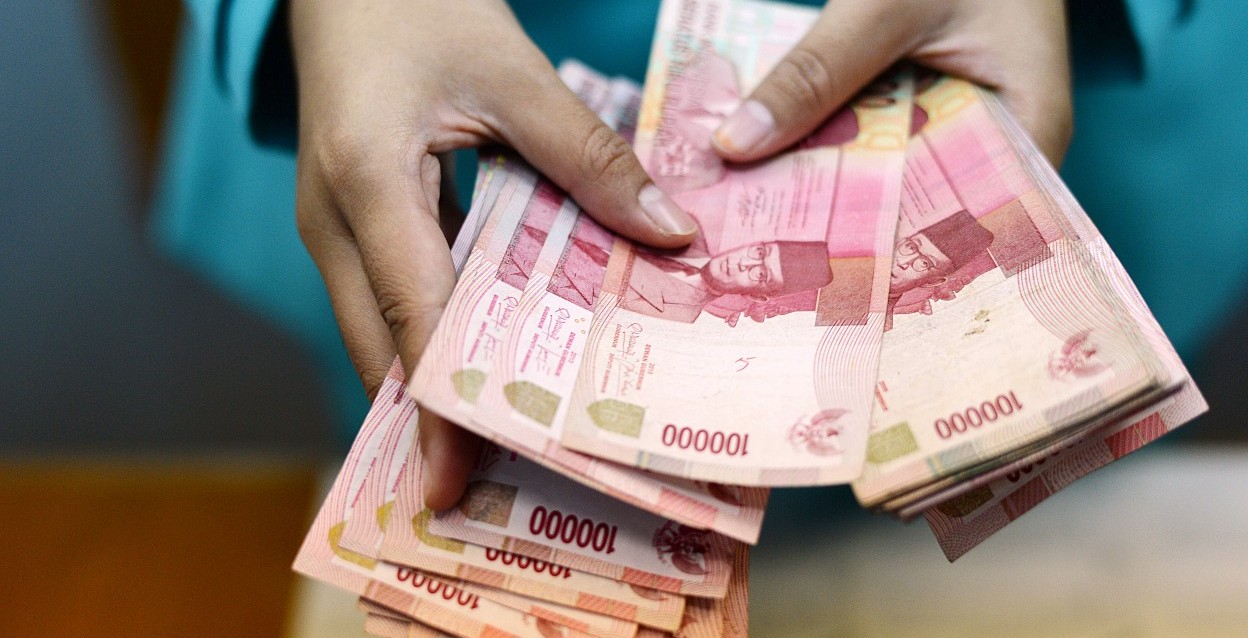
If you’ve ever spent time in Indonesia, you know that their currency can be a real head-scratcher at times. A single rupiah on its own is virtually worthless; only when it gangs up in huge numbers does it start to mean anything. At today’s exchange rates, 1,000 rupiah is only worth 6¢ (in US currency), and for a Malaysian comparison, even a cool million rupiah is worth less than RM250.
You can see how confusing it would be to shop in Bali or Jakarta and be confronted with baffling prices like Rp. 655,000 or Rp. 4,390,000. Sure, that cocktail you’re eyeing is priced at Rp. 245,000, and that fancy set dinner for two might cost nearly 3 million rupiah… but is that a lot, or a little? Getting it wrong could mean paying exponentially more for something than you intend. And it almost goes without saying, but untold numbers of tourists have been defrauded at moneychangers because the local currency is so bewildering and difficult to count; travel guidebooks have been warning about this particular scam for ages.
But now, help is on the way. Indonesia is preparing to take what is technically a neutral, but symbolically weighty, step in its economic evolution — a redenomination of the rupiah currency. The idea is simple: reduce by three the number of zeros on banknotes so that, for example, 1,000 old rupiah becomes 1 new rupiah. The value remains the same in real terms, but the accounting becomes clearer, everyday transactions streamlined, and psychological barriers to spending and investment lowered.
At its core, redenomination aims to reduce the friction created by excessively large numbers. Long strings of zeros can lead to calculation errors, transaction inefficiency and inflated cost perceptions. By scaling the currency down, bookkeeping becomes simpler, pricing clearer, and domestic and international business — particularly for foreign investors — more straightforward. A clean, user‑friendly currency also signals economic maturity and macroeconomic stability.
PAINFUL HISTORY, CLEAR DISTINCTION
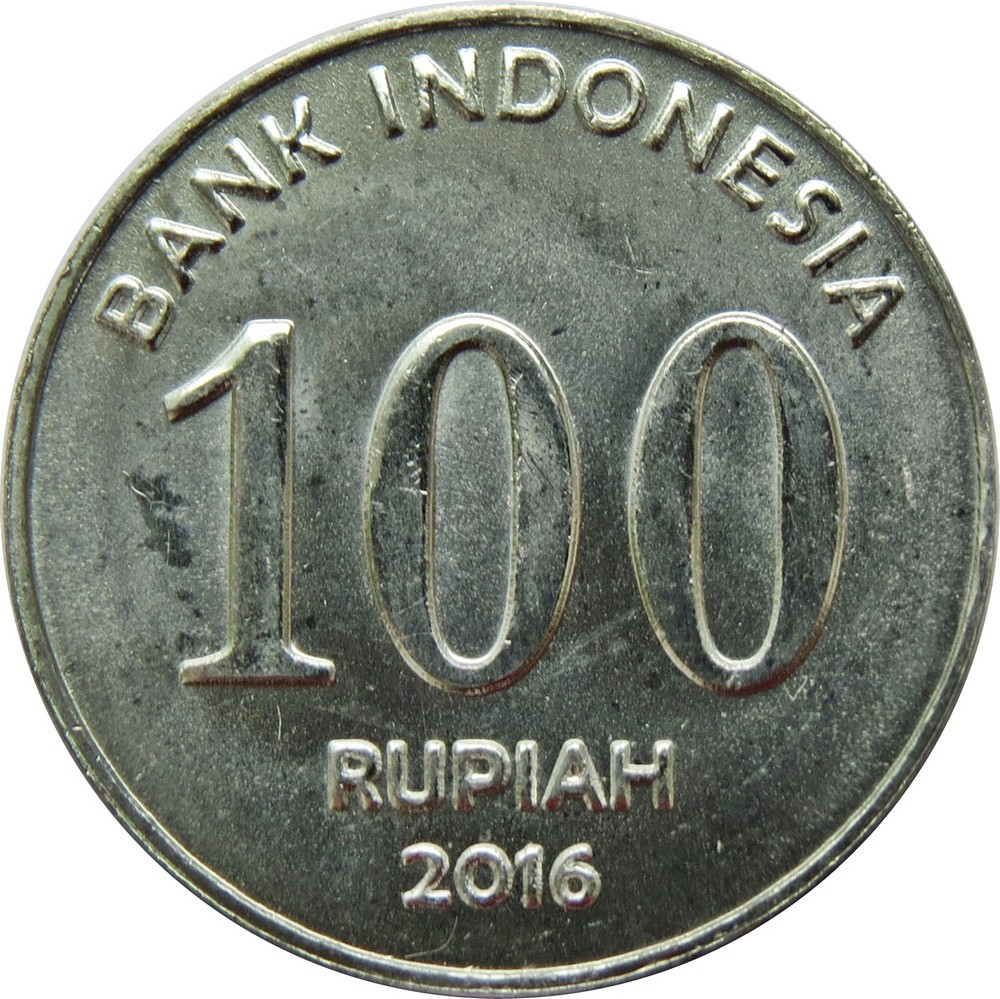
Any effort involving sweeping changes to a currency inevitably brings up memories of Indonesia’s 1965 monetary crisis. In December of that year, the government carried out what is known as sanering — a policy that effectively halved the real value of money in circulation, slashing savings and wiping out purchasing power overnight. The trauma left an indelible mark. Even six decades later, many in Indonesia still conflate that experience with what redenomination seeks to do today.
But the difference is crucial: sanering cut real value, whereas redenomination changes only the nominal scale, leaving real value intact. No savings are lost, purchasing power remains stable, and inflation is not automatically triggered. Redenomination is a technical reform for convenience and clarity — not a desperate measure in response to crisis.
Today’s macroeconomic environment in Indonesia lends confidence to this distinction. Inflation is under control, the exchange rate is relatively stable, digital payment systems are widespread, and the financial infrastructure is significantly more robust than in 1965. These elements combine to create a favourable backdrop — one that could shield the reform from past pitfalls and position it as a marker of economic modernization.
PERCEPTION MATTERS: TRANSPARENCY IS CRUCIAL
Both history and international precedent shows that even technically neutral redenominations can backfire if mishandled. In some countries, poor communication triggered “psychological inflation,” where people rushed to spend money before changes took effect, pushing up prices and eroding trust. In others, sloppy execution led to glitches in banking or payment systems, undermining the reform’s credibility before it even began.
To avoid that fate, Indonesia must treat public trust as a critical pillar of the reform. According to Indonesia Strategic and Economics Action Institution senior analyst Ronny P Sasmita, four pillars should guide the rollout:
- A long dual‑currency phase, spanning 18 to 36 months, during which old and new notes circulate together. This allows businesses and consumers to adjust and familiarize themselves with the new pricing scale.
- Comprehensive public education, reaching beyond urban centres to rural communities and micro-businesses. Every household must understand that their savings and spending power remain safe; only the currency’s face value is changing.
- Upgrade of financial infrastructure, including ATMs, mobile and online payment systems, point-of-sale machines, banking software and tax/administration tools. Any technical failure could cause confusion or financial losses.
- Active consumer protection and oversight, to prevent businesses from masking hidden price increases under redenomination — a common criticism in past reforms elsewhere.
If Indonesia can implement these measures with transparency and consistency, the signs point to a successful transition.
A CHANCE TO REDEFINE THE RUPIAH
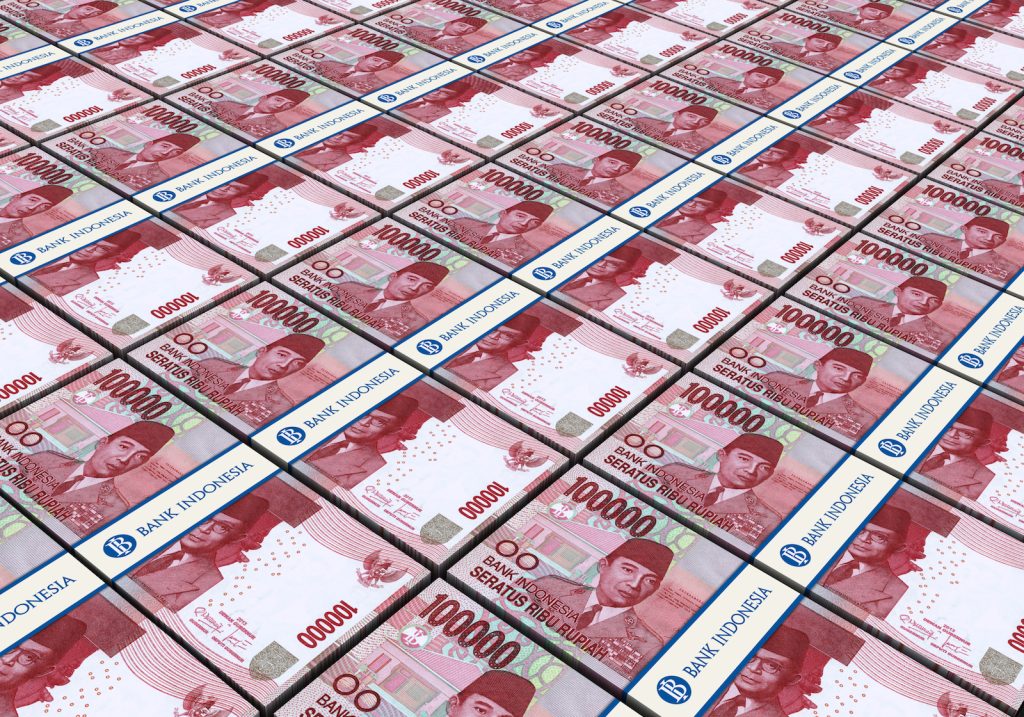
In the longer term, a well-executed redenomination can do more than simplify numbers. It can help restore faith in the monetary system, lower perceptions of financial risk, and pave the way for greater foreign and domestic investment. For stock markets, a shorter numerical scale improves readability and may encourage retail participation. For foreign investors, a stable, straightforward currency enhances confidence in cross-border trade, loan agreements, and long-term projects.
On the domestic front, easier payments and clearer price tags can encourage digital transactions, reduce cash-dependence and support financial inclusion. Small businesses may find accounting simpler and less error-prone; consumers may benefit from transparent pricing and improved affordability perceptions.
Taken together, these ripple effects could strengthen Indonesia’s economic resilience over the next decade, turning what might seem like a cosmetic change into a milestone of stability, trust, and modernization.
Redenomination of the rupiah presents Indonesia with a rare opportunity. More than a tidy deal with trailing zeros, it could become a symbol of the country’s financial maturity — provided it’s handled with care, clarity and commitment.
If authorities combine thoughtful planning, robust infrastructure upgrades and honest communication, the reform has the potential to strengthen the currency, simplify life for households and businesses, and reset the public’s faith in the monetary system. It could show, loud and clear, that this time around, Indonesia intends to move to the rupiah, and by extension its economic goals, forward — not with panic or desperation, but with purpose, prudence, and confidence.
Sources: The Jakarta Post, Asia Times, and Indonesia central bank announcements.