

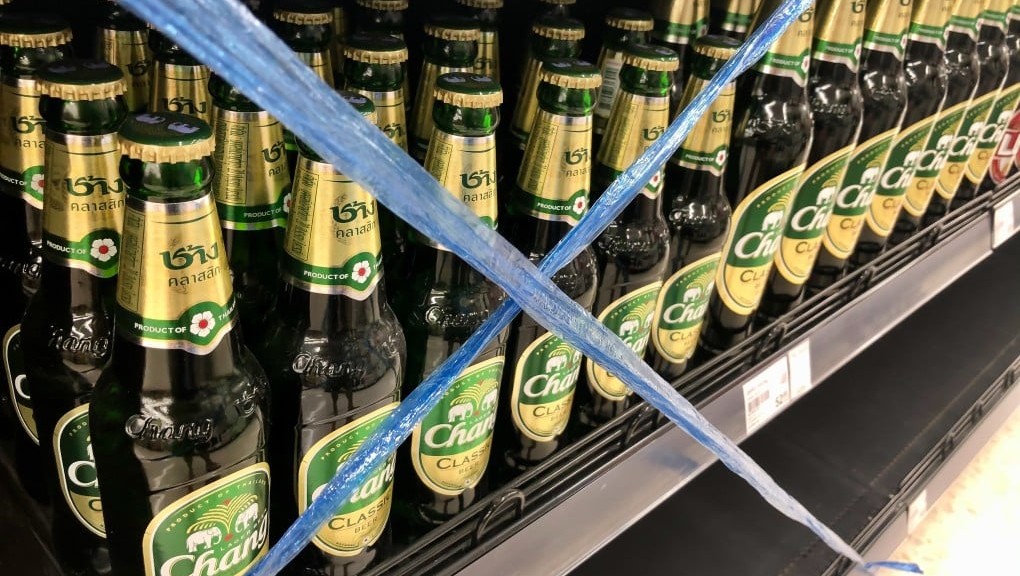
Thailand’s latest enforcement of its Alcoholic Beverage Control Act brings tighter drinking hours, stricter advertising rules, and heavier fines — prompting tourists and locals alike to think twice before opening a bottle at the wrong time.
I’ll drink to that! Wait… what time is it?
Spain may be famous for its lengthy afternoon siestas, but travellers heading to Thailand from this month will now need to give that same afternoon break to their drinking, and adjust their plans for both sundowners and late lunches. With effect from this past Saturday (November 9, 2025), the Thai government will be fully enforcing amendments to the Alcoholic Beverage Control Act, introducing stricter rules around when and where alcohol can be consumed.
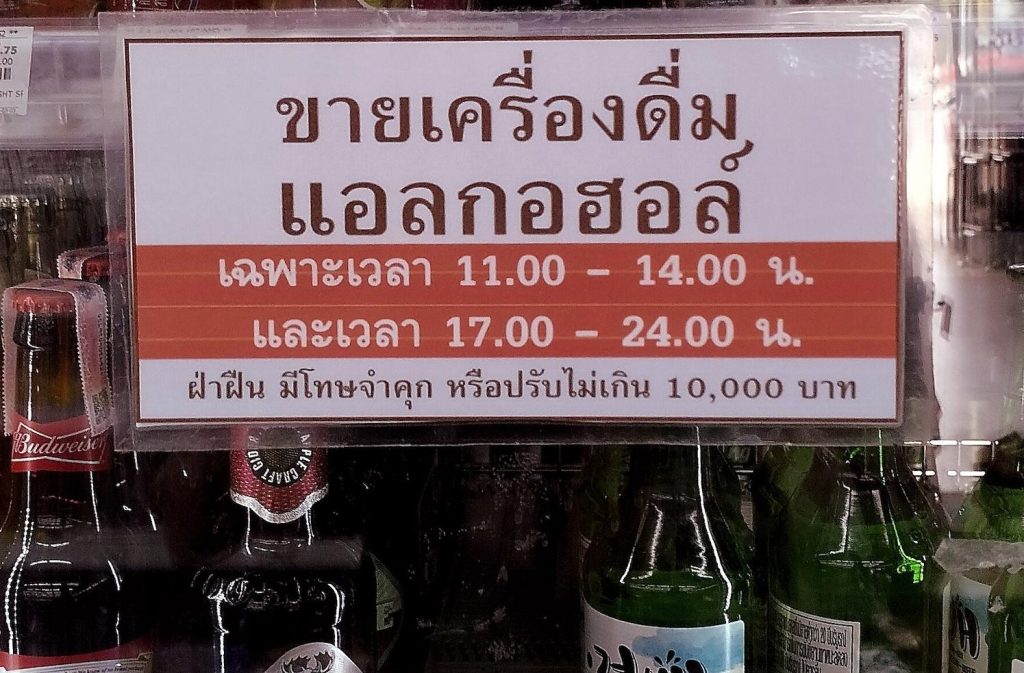
The legislation, first published in the Royal Gazette on September 8, standardises nationwide restrictions that apply to both locals and tourists. Under the new rules, the sale and consumption of alcohol are only permitted between 11am and 2pm, and again from 5pm to midnight. Drinking outside of these hours will now be considered a punishable offence, even if the alcohol was purchased legally beforehand.
So to put it clearly: no drinking from 2pm to 5pm, and no drinking from midnight to 11am.
STRICTER HOURS AND HEFTY FINES
For many visitors, this may sound familiar. Thailand has long maintained limited hours for alcohol sales, but enforcement has often been inconsistent, and certain exemptions previously existed for hotels, airports, and entertainment zones. Now, with the new act in effect, the law’s reach extends more broadly and will be enforced with much greater rigour.
The penalties for violating the new regulations are significant. Anyone caught drinking during restricted hours could face a fine of up to 10,000 Thai Baht (about RM1,330), while businesses selling alcohol illegally risk both financial penalties and possible closure. To put that into perspective, drinking at the wrong time now carries a heavier fine than being caught speeding or driving without a valid licence in Thailand.
Authorities have made it clear that these rules are not merely symbolic. According to the Tourism Authority of Thailand (TAT), local law enforcement agencies will step up monitoring, especially in major tourist destinations such as Bangkok, Phuket, Chiang Mai, and Pattaya.
“Tourists are reminded that outside of the listed exceptions, drinking or purchasing alcohol during restricted hours or in prohibited areas remains illegal,” the TAT stated. “Businesses in violation may be fined or shut down, and individuals could face legal consequences.”
EXPANDED BANS ON ADVERTISING AND PUBLIC DRINKING
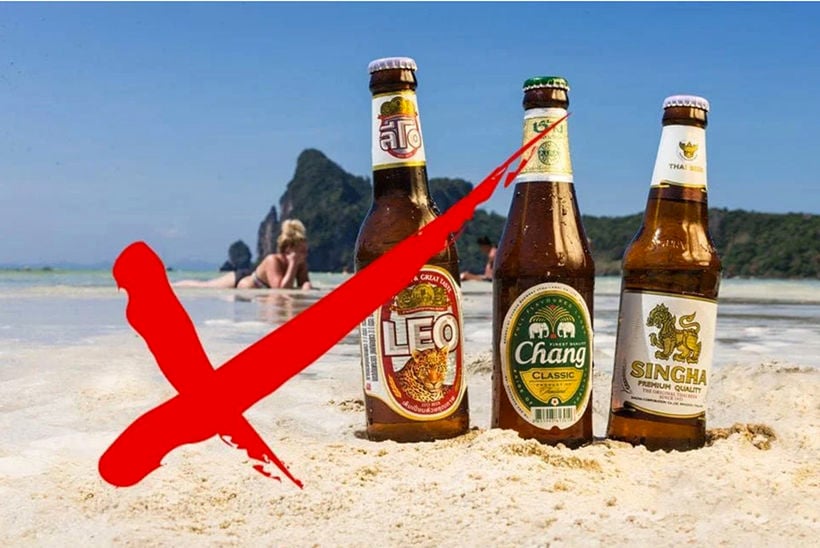
The act also tightens restrictions on alcohol advertising and promotion. Any marketing or media content — from billboards to social media — that could be perceived as encouraging drinking will now be prohibited. This includes images showing people consuming alcohol, brand endorsements, or promotional slogans that glamorize drinking.
Thailand’s already conservative approach to alcohol promotion is among the strictest in Southeast Asia. In 2008, the country banned alcohol advertising on television and radio, and in recent years, several local influencers were fined for posting photos featuring alcoholic beverages online. The latest expansion means enforcement will now extend more aggressively to digital spaces and event sponsorships.
June 2024 also saw another layer of regulation introduced. The Thai government prohibited the sale, possession, or consumption of alcohol on trains, including dining cars. The rule applies to both passengers and railway staff, with violators facing fines and possible detention. Officials framed the move as part of a broader campaign to enhance safety, reduce public disturbances, and align Thailand’s transport system with “family-friendly” standards.
IMPACT ON TOURISM AND NIGHTLIFE
Thailand’s tourism sector — a major pillar of the economy — contributes around 20% of national GDP, and many visitors often expect a lively nightlife scene as part of the experience. The new restrictions have therefore prompted quite a bit of debate among hospitality operators.
Many bar owners in Bangkok’s popular Sukhumvit and Khao San districts worry the curbs could dampen late-afternoon trade and reduce spending by tourists accustomed to more relaxed regulations. The post-midnight prohibition on drinking may cause considerable backlash in traditional “party scene” locales. However, some hoteliers have reported that registered establishments with proper licensing may continue to serve guests within controlled environments, though enforcement will vary by province.
Industry analysts suggest the government’s push is partly motivated by efforts to reduce alcohol-related accidents and improve Thailand’s global image ahead of major upcoming events, including the Visit Thailand Year 2026 campaign. The country has long struggled with one of Southeast Asia’s highest rates of road fatalities linked to drunk driving, and authorities hope the new measures will promote safer travel behaviour among both locals and foreigners.
KNOW BEFORE YOU GO
Travellers planning a trip to Thailand are advised to check local regulations, as enforcement may differ slightly depending on jurisdiction. In resort areas such as Phuket or Koh Samui, authorities are expected to maintain a degree of flexibility for licensed entertainment venues, though these exceptions will likely be narrower than before.
Those who prefer a drink with lunch should take note — alcohol service between 2pm and 5pm will be prohibited, even in restaurants. While visitors can still purchase beverages at convenience stores like 7-Eleven or FamilyMart during legal hours, sales will automatically be suspended once the restricted period begins.
Tourists are also reminded that drunk driving laws in Thailand are stringent. Offenders risk arrest, heavy fines, and possible deportation. The legal blood alcohol limit is 0.05%, and police regularly conduct breath tests, particularly on weekends and holidays.
A CULTURAL BALANCING ACT
Thailand’s evolving relationship with alcohol reflects a delicate balance between tourism, public health, and cultural values. While the country’s nightlife and beach bars remain legendary, its leadership continues to walk a fine line between sustaining economic activity and curbing social harm.
For now, those planning their next island escape or Bangkok city break would do well to note the new rules — and perhaps time their toasts accordingly.
Sources: Tourism Authority of Thailand, Royal Gazette, Bangkok Post, The Nation Thailand, Reuters